Understanding Ceramic Window Tint
What Is Ceramic Window Tint?
Ceramic window tint is a high-performance window film designed to block out heat, UV rays, and glare without compromising visibility. Unlike traditional tinting films, which may use dyes or metals, ceramic window tint incorporates advanced ceramic particles into the film. This technology enhances the clarity and durability of the film while providing excellent heat rejection and UV protection. Moreover, it allows for a lighter shade, preserving the aesthetics of your vehicle while significantly improving comfort. Whether you're seeking to protect your car's interior or enhance your driving experience, ceramic window tint offers a versatile solution tailored to modern needs.
Benefits of Ceramic Window Tint
The benefits of ceramic window tint are extensive, making it a popular choice among car owners. Here are some key advantages:
- UV Protection: Ceramic window tint blocks up to 99% of harmful UV rays, helping to protect your skin and the interior of your vehicle from fading.
- Heat Rejection: This tint offers superior heat rejection capabilities, keeping your vehicle cooler in hot weather and easing the burden on your air conditioning system.
- Enhanced Visibility: Ceramic window tint maintains optical clarity, reducing glare without compromising visibility, especially when driving in bright conditions.
- Durability: Made from advanced materials, ceramic window tint has a longer lifespan than traditional films and is more resistant to chips and scratches.
- Non-Metallic Construction: Unlike metalized tints, ceramic window tint doesn’t interfere with electronic signals, making it ideal for vehicles with advanced technology features.
How Ceramic Window Tint Differs from Other Types
While there are several types of window tints available, including dyed, metalized, and hybrid films, ceramic window tint stands out for its unique properties. Dyed films tend to absorb heat but can fade over time. Metalized films reflect heat and UV rays but may interfere with radio signals. Hybrid films combine elements from dyed and metalized options but often fall short in terms of performance compared to ceramic. In contrast, ceramic window tint excels in providing superior heat rejection, exceptional UV protection, and maintaining visibility, all while ensuring longevity and durability.
Choosing the Right Ceramic Window Tint
Factors to Consider When Selecting Window Tint
When choosing the right ceramic window tint for your vehicle, several factors should be taken into account:
- Legal Regulations: Check local laws regarding window tinting as they vary by state and can dictate the allowable levels of darkness and reflectivity.
- Desired Privacy: Determine how much privacy you want, as darker tints provide more seclusion but may affect visibility.
- Climate Considerations: In hot climates, a higher heat rejection percentage is beneficial in maintaining comfort and protecting interior surfaces.
- Budget: Prices can vary widely based on the brand and quality of the tint; assess which features are worth the investment.
- Appearance: Consider the aesthetics of your vehicle; select a tint shade that complements your car's design.
Different Shades and Their Impacts
The shade of ceramic window tint plays a crucial role in not only the aesthetics of your vehicle but also in performance. Shades range from light to dark, with various levels of visible light transmission (VLT). A lighter tint allows more light to pass through while still providing UV and heat protection. Darker tints offer more privacy and heat rejection but may make nighttime driving challenging due to reduced visibility. It’s important to strike a balance that accommodates both your personal preferences and driving safety.
Legal Regulations on Window Tinting
Before installing ceramic window tint, familiarize yourself with your state's regulations, as these outline the legal limits for tint darkness and reflectivity on different windows. Many jurisdictions have specific rules for the front windshield, side windows, and rear windows. Violating these laws can result in fines and, in some states, could require you to remove the tint. Always ensure compliance with local regulations to avoid complications.
Installation Process of Ceramic Window Tint
DIY vs. Professional Installation
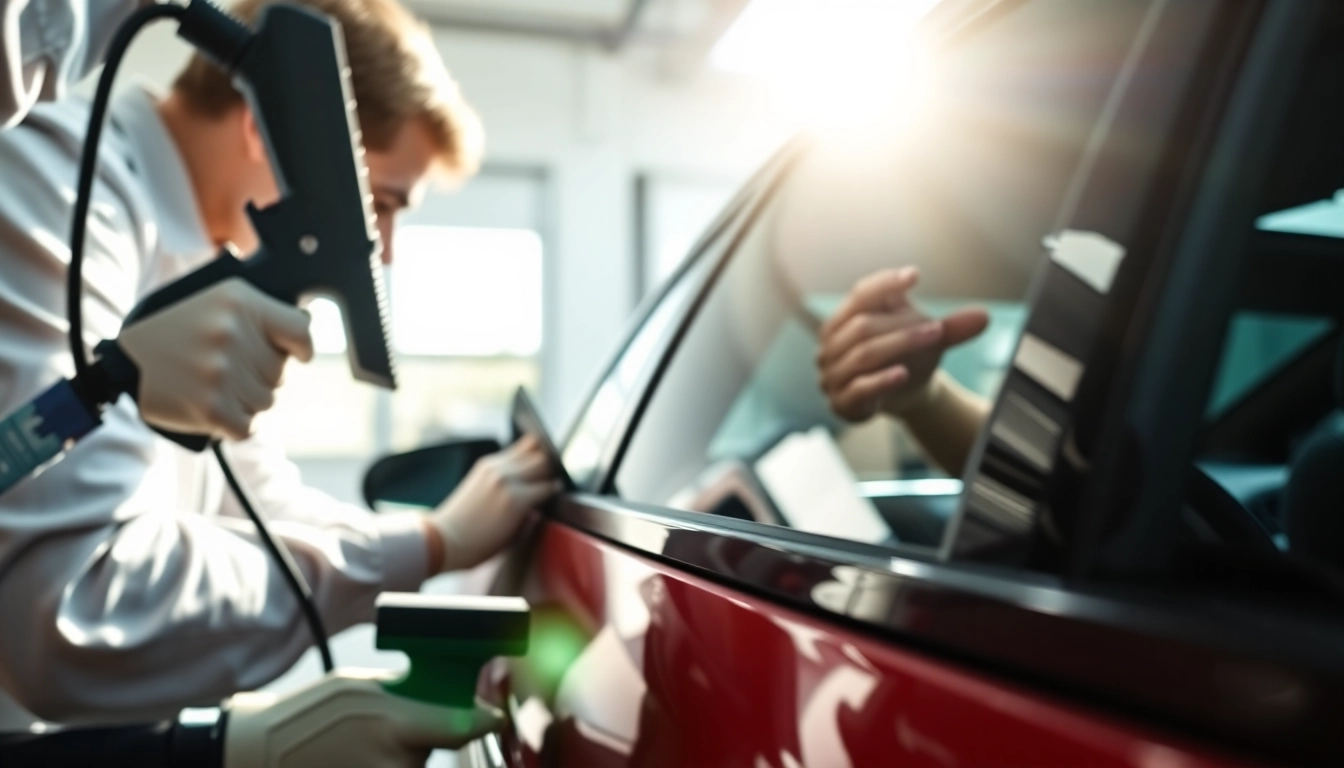
One significant decision to make when installing ceramic window tint is whether to do it yourself or hire a professional. DIY installation can be cost-effective, but it requires precision and experience to avoid bubbles, misalignment, and creases. Professional installation, on the other hand, ensures a high-quality finish, greater warranty coverage, and often better adherence to local tinting laws. Weigh your skills and the importance of the outcome before deciding.
Step-by-Step Installation Guide
If you opt for DIY installation, here’s a general step-by-step guide:
- Gather Tools: You will need window tint film, a cutting tool, a squeegee, spray solution, and a heat gun.
- Prep the Windows: Clean the glass thoroughly using a glass cleaner to remove dust, oils, and debris.
- Measure and Cut: Measure the windows accurately and cut the tint film slightly larger than the window size.
- Apply Solution: Spray a mixture of water and soap on the window and the adhesive side of the film.
- Place the Film: Position the tint film on the window, ensuring it overlaps as needed.
- Squeegee Out Bubbles: Use the squeegee to remove air bubbles and excess water, starting from the center and moving outward.
- Trim Edges: Once applied, trim any excess film using your cutting tool for a clean edge.
- Heat Treatment: Use the heat gun to help the film adhere properly and to remove any remaining bubbles.
- Final Inspection: Inspect for any flaws, ensuring it meets your standards before allowing it to cure.
Common Mistakes to Avoid During Installation
To achieve the best results when installing ceramic window tint, avoid these common pitfalls:
- Skipping the preparation step, such as thorough cleaning, can lead to air bubbles.
- Using too much or too little solution may hinder the film’s adhesion or make it difficult to position.
- Not smoothing out bubbles completely can result in a poor appearance.
- Rushing the heat treatment process can cause the film to warp or peel off.
- Failing to follow the manufacturer's instructions may void warranties or result in poor performance.
Maintenance Tips for Ceramic Window Tint
Cleaning and Care Instructions
To maintain the integrity and appearance of ceramic window tint, regular cleaning is essential. Use a mild soap solution with a soft microfiber cloth to avoid scratching the film. It's best to clean the tint outside of direct sunlight to prevent premature drying. Avoid using ammonia-based cleaners, as they can damage the film over time.
How to Extend the Life of Your Tint
To ensure your ceramic window tint lasts as long as possible, follow these best practices:
- Park in shaded areas or use sunshades when parked for extended periods to limit sun exposure.
- Avoid rolling down the windows for at least 48 hours after installation to allow proper curing.
- Schedule regular inspections to check for scratches or peeling and address issues promptly.
- Use a soft cloth to clean to prevent scratching the surface.
Signs of Damage and When to Replace
Recognizing signs of damage early can help you decide whether it’s time to replace your ceramic window tint. Look for:
- Bubbles or peeling at the film’s edges, which can indicate moisture has seeped beneath the tint.
- Discoloration or fading, which can happen over time, especially if exposed to harsh conditions.
- Visible scratches or abrasions that detract from the tint’s performance and appearance.
If you notice any of these issues, consider professional assessment for possible replacement.
FAQs About Ceramic Window Tint
What is the lifespan of ceramic window tint?
The lifespan of ceramic window tint can range from 10 to 15 years, depending on factors like installation quality and maintenance.
Does ceramic window tint block UV rays effectively?
Yes, ceramic window tint can block up to 99% of harmful UV rays, protecting both your skin and your car's interior.
Can I remove ceramic window tint myself?
While DIY removal is possible, it can be challenging. It's best to have a professional do it to avoid damaging the window.
How does ceramic window tint affect visibility?
Ceramic window tint is designed to enhance visibility, reducing glare while still providing effective UV and heat protection.
Is ceramic window tint worth the investment?
Yes, ceramic window tint is a worthwhile investment due to its durability, superior protection, and long-term cost savings on HVAC and interior maintenance.