
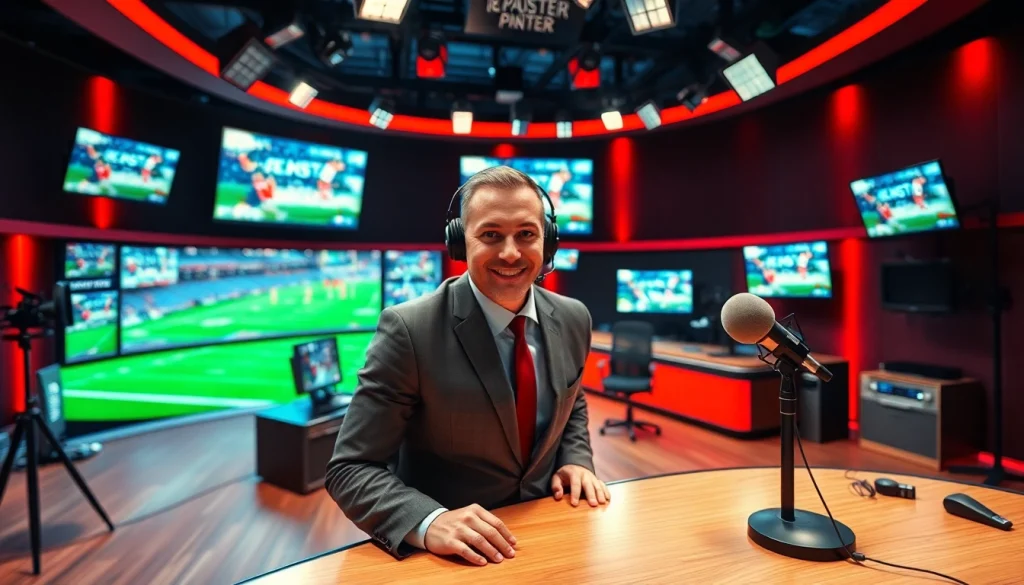
Understanding the Fundamentals of Sports Broadcasting
What is Sports Broadcasting?
Sports broadcasting refers to the dissemination of sports content through various media, primarily television and radio, but increasingly via digital platforms and social media. This dynamic field encompasses live event coverage, pre- and post-game shows, sports commentary, and analysis. As a viewer, engaging with Sports Broadcasting can significantly enhance the experience of watching sports by providing insights, expert analysis, and live updates on events.
History and Evolution of Sports Broadcasting
The roots of sports broadcasting trace back to the 1920s with radio broadcasts of live sports events. The first-ever sports broadcast occurred when a college football game was aired by a radio station in 1921. The advent of television in the 1950s revolutionized this sector, bringing sports into homes across the globe, allowing viewers to experience events live and in color. Over the decades, the introduction of high-definition broadcasts and the internet has further transformed the landscape, making sports content more accessible than ever. As we navigate current times, innovations have led to the rise of mobile streaming and interactive features, amplifying viewer engagement.
Key Roles in Sports Broadcasting
Sports broadcasting comprises various roles, crucial for delivering an engaging viewing experience. Key players include:
- Play-by-Play Announcers: These individuals provide a running commentary during live events, describing every action and play.
- Color Commentators: They provide expert analysis and insights, offering additional context to the play-by-play narrative.
- Producers: Responsible for the overall production, ensuring that the telecast or stream runs smoothly.
- Cameramen and Technical Crew: They manage the equipment and visuals, capturing the action effectively.
- Sports Journalists: They focus on delivering news, interviews, analysis, and opinions surrounding the sports world.
Current Trends in Sports Broadcasting
Impact of Digital Media on Sports Broadcasting
Digital media has fundamentally reshaped sports broadcasting, offering new avenues for content delivery and audience interaction. The proliferation of streaming services and social media platforms allows fans to access live events, highlights, and discussions anytime, anywhere. Consumers are increasingly favoring platforms that allow for flexibility and on-demand content. The rise of mobile applications for sports broadcasting enables fans to follow their favorite teams and players with real-time updates, live scores, and interactive features, creating a more engaging experience.
Emerging Technologies in Sports Broadcasting
The incorporation of emerging technologies into sports broadcasting is revolutionizing how content is created and consumed. Notable advancements include:
- Augmented Reality (AR) and Virtual Reality (VR): These technologies provide immersive experiences, enabling viewers to engage with games from unique perspectives.
- Artificial Intelligence (AI): AI is utilized for data analysis, automating highlights creation, and offering personalized content recommendations based on viewer preferences.
- High-Speed Internet and 5G: These technologies enhance streaming quality, enabling seamless live broadcasts without buffering, crucial for sports viewers.
Audience Engagement Strategies
Effective audience engagement is vital for successful sports broadcasting. Strategies include:
- Interactive Content: Polls, quizzes, and real-time statistics can stimulate audience participation during live events.
- Social Media Integration: Engaging audiences on platforms like Twitter and Instagram allows for real-time interaction and community building around sports events.
- Behind-the-Scenes Access: Providing exclusive content that gives fans a glimpse into the preparation and dynamics of sports teams fosters loyalty and deeper connections.
Building a Career in Sports Broadcasting
Essential Skills for Sports Broadcasters
Individuals seeking a career in sports broadcasting must cultivate specific skills to succeed in this competitive field. Key skills include:
- Communication: Strong verbal and written communication skills are essential for conveying information clearly and engagingly.
- Sports Knowledge: A deep understanding of various sports, their rules, and current events is critical for effective commentary and analysis.
- Technical Proficiency: Familiarity with broadcasting equipment and editing software can significantly enhance production quality.
Educational Pathways for Aspiring Broadcasters
While there is no single path to becoming a successful sports broadcaster, various educational options exist. Degrees in journalism, communications, or broadcasting provide foundational knowledge and skills. Additionally, attending workshops or obtaining certifications in broadcasting can enhance one’s employability. Many successful broadcasters also gain practical experience through internships and entry-level positions in radio or television stations.
Networking and Professional Development
Networking is crucial in sports broadcasting, often leading to new opportunities and collaborations. Attending industry events, engaging in social media groups, and joining professional organizations can help budding broadcasters connect with established personalities in the field. Furthermore, continuous learning, whether through formal education or self-directed research, allows broadcasters to stay updated on industry trends and improve their craft.
Challenges in Sports Broadcasting
Navigating Ethical Considerations
Ethical considerations are paramount in sports broadcasting, encompassing issues such as bias, accurate reporting, and respect for privacy. Broadcasters must strive to present fair and balanced perspectives, particularly when covering sensitive topics. Maintaining journalistic integrity enhances trust and credibility within the audience, which is invaluable in the competitive landscape of sports media.
Adapting to Changing Technologies
As technology evolves rapidly, sports broadcasters must keep pace to remain relevant. This entails continually adapting production techniques, integrating new platforms for content distribution, and exploring innovative methods to captivate audiences. Embracing change can often be challenging but is essential for staying competitive in the ever-changing landscape of media.
Handling Public Relations and Controversies
Broadcasting professionals often encounter controversies or crises, ranging from athlete misconduct to production blunders. Successfully navigating these situations requires adept public relations skills, including effective communication and transparency. Developing a proactive approach to crisis management can safeguard reputations and maintain viewer trust.
Measuring Success in Sports Broadcasting
Key Performance Indicators (KPIs)
Measuring the success of sports broadcasting is multifaceted. Key performance indicators (KPIs) such as viewer ratings, audience reach, and engagement metrics (likes, shares, comments on social media) provide insights into a broadcast’s impact and effectiveness. Additionally, analyzing advertising revenue can signal the financial success of a particular broadcast or network.
Understanding Viewership Ratings
Viewership ratings are an essential metric in assessing the popularity and reach of sports broadcasts. Typically calculated by ratings agencies, these figures provide insights into how many people are watching a specific event or show. Understanding the demographics of viewership can help broadcasters tailor content more effectively to meet audience preferences.
Collecting and Analyzing Audience Feedback
Collecting feedback through surveys, social media interactions, and viewer statistics is crucial for improving sports broadcasts. Analyzing this data allows broadcasters to understand audience preferences, enhance content quality, and refine engagement strategies. Responsiveness to audience feedback fosters loyalty and can significantly enhance viewer satisfaction.
FAQs about Sports Broadcasting
What types of careers exist in sports broadcasting?
Careers in sports broadcasting include play-by-play announcers, color commentators, producers, and sports journalists, among others.
What skills are required for a successful career in sports broadcasting?
Key skills include strong communication, in-depth sports knowledge, technical proficiency, and adaptability to new technologies.
How has technology impacted sports broadcasting?
Technology has transformed sports broadcasting through digital content delivery, social media engagement, and enhanced viewing experiences with AR and VR.
Why is audience engagement important in sports broadcasting?
Audience engagement enhances viewer loyalty, increases ratings, and encourages interaction, which can lead to a larger fan base and more revenue.
How can one break into the sports broadcasting industry?
Gaining relevant education, seeking internships, networking within the industry, and building a personal brand online are effective strategies to break in.